Basement Waterproofing: The Complete Homeowner’s Guide
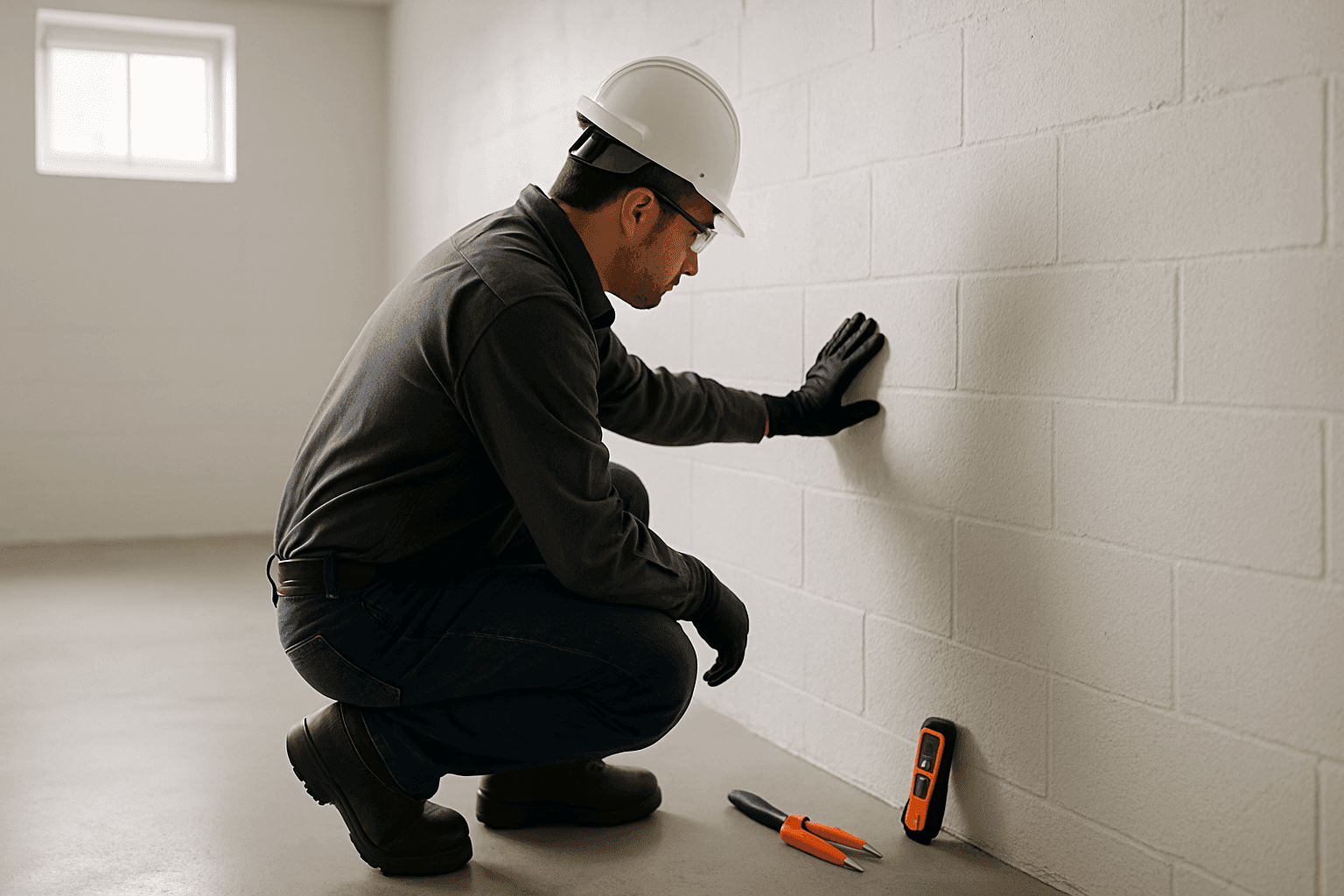
Is your basement starting to smell musty? Maybe you’ve noticed a damp patch creeping up a wall, or you’ve stepped into an unexpected puddle after a storm. You’re not alone. Water intrusion is one of the most common — and most stressful — issues for homeowners everywhere.
At Blue Star, we help families protect their homes from the inside out. Basement waterproofing isn’t just about repairs; it’s about peace of mind, home value, and healthy air. Leaks don’t wait, and neither should you.
Water in the Basement: What’s Really Happening? 💧
A basement is like a ship’s hull. It’s built to keep water out. But over time, even the strongest hull can spring a leak. Rain, poor grading, clogged gutters, or rising groundwater can all push moisture through tiny cracks or gaps in your foundation.
Common basement water sources include:
- Cracks in walls or floors
- Gaps around pipes or windows
- Failing exterior drainage (like broken gutters or downspouts)
- High groundwater after heavy rain or snowmelt
Unchecked, this water can lead to mold, ruined belongings, or even structural damage. According to the International Code Council (ICC), persistent moisture is a leading cause of foundation deterioration.
Quick Safety Checklist
Before you do anything else, make sure your family and your property are safe:
- Never touch standing water if it may be in contact with electrical outlets/appliances.
- Check for visible mold — avoid disturbing it.
- Move valuables (especially cardboard, fabric, or electronics) out of damp areas.
- Use a flashlight, not open flame, to inspect dark or wet spaces.
- If you smell gas or suspect electrical hazards, call the appropriate utility or emergency service.
Signs You Need Basement Waterproofing
Some warning signs are obvious. Others are sneakier. Watch for these early signals that your basement needs attention:
- Peeling paint or efflorescence (white, chalky deposits)
- Musty odors or persistent humidity
- Warped wood, rusted metal, or swollen drywall
- Mold spots — especially in corners or behind stored items
- Floor or wall cracks wider than a nickel
- Water pooling after storms, or damp carpet patches
Catching these early can save you money and headaches down the line.
How to Identify Problem Areas
Put on your detective hat. Take a slow walk around your basement, inside and out:
- Look for cracks, stains, or bubbling paint.
- Check window wells for debris or standing water.
- Inspect gutters and downspouts — are they draining at least 6 feet away from the house?
- Walk the yard after rain. Is water pooling near your foundation?
Sometimes, you’ll need a pro to perform leak detection using moisture meters or thermal imaging, but many clues can be found with a careful eye.
Interior vs. Exterior Waterproofing: What’s the Difference?
Think of waterproofing like dressing for the weather. Sometimes you need a raincoat (exterior protection), and other times you need an umbrella (interior solutions).
Interior Waterproofing:
- Ideal for managing minor leaks or dampness.
- Involves sealing cracks, adding moisture barriers, installing interior drains or sump pumps.
- Faster and less disruptive, but may not address the root cause outside.
Exterior Waterproofing:
- Targets water before it enters your basement.
- May include excavating around the foundation, applying waterproof coatings, installing drainage systems, or upgrading gutters.
- More labor-intensive, but offers long-term protection.
A combination is often best — especially in older homes or areas with high water tables.
Moisture Barrier Options
Moisture barriers act like invisible shields. Here’s what you might consider:
- Vapor barriers: Heavy-duty plastic sheets installed on walls or floors.
- Sealants and coatings: Applied directly to masonry to stop seepage.
- Drainage mats: Allow water to move toward a sump pump or drain, away from living areas.
Choose products that meet ASTM International standards for residential waterproofing.
Sealing Cracks and Repairing Leaks
Cracks are the secret tunnels water loves to use. Here’s how to shut them down:
- For hairline cracks: Use hydraulic cement or epoxy injection kits.
- For larger gaps: Call a professional for proper assessment and repair.
- Always clean and dry the area before sealing.
Remember: sealing alone won’t fix the problem if water is still pooling outside.
Sump Pump Installation: Your Last Line of Defense
A sump pump is like a lifeboat for your basement. When water collects in a pit (sump basin), the pump moves it out and away from your foundation.
Key points:
- Select a pump with battery backup, especially in areas prone to power outages.
- Test your pump every few months. Pour water into the pit and watch it kick on.
- Install a check valve to prevent water from flowing back in.
The National Association of Home Builders recommends professional installation for best results.
Routine Waterproofing Maintenance
Waterproofing isn’t one-and-done. Like changing the oil in your car, it needs regular attention:
- Clean gutters and downspouts twice a year.
- Inspect sump pumps before rainy seasons.
- Check interior and exterior walls for new cracks or water stains.
- Refresh sealants every few years, as recommended by the manufacturer.
- Keep window wells clear of leaves and debris.
A well-maintained system can last decades.
DIY vs. Hiring a Certified Waterproofing Contractor
There’s satisfaction in tackling a problem yourself — but not every job is a weekend project.
DIY is best for:
- Small cracks (less than 1/8 inch)
- Simple moisture barriers
- Gutter cleaning and downspout extensions
Call for Waterproofing Consultations near you if:
- You see large cracks, bowing walls, or repeated flooding
- Mold keeps coming back, or you have health concerns
- You need a full drainage system or sump pump installation
- There’s structural damage or shifting
Certified pros follow standards set by organizations like the Basement Health Association and Building Officials and Code Administrators (BOCA). They use commercial-grade materials and know how to spot hidden issues fast.
What Happens When Blue Star Arrives?
Our team comes prepared. Here’s what you can expect:
- Thorough inspection: Inside and out, with moisture meters and visual checks.
- Leak detection: Pinpointing the water’s path, not just the symptoms.
- Clear explanation: We’ll walk you through findings and solutions — no jargon.
- Estimate: Transparent, with scope of work and materials outlined.
- Action plan: Prioritized repairs, from immediate fixes to long-term upgrades.
We respect your time, your property, and your budget.
Prevention and Maintenance: Year-Round Tips 🛠️
Stay ahead of water issues with these seasonal habits:
- Spring: Inspect for winter damage, test sump pumps, clear drains.
- Summer: Watch for humidity and run dehumidifiers if needed.
- Fall: Clean gutters and check grading as leaves fall.
- Winter: Check for ice dams on roofs and monitor for foundation cracks.
Keep an eye out after major storms — that’s when hidden leaks tend to reveal themselves.
Waterproofing Costs & Time Factors
Waterproofing costs vary widely. Think of it like fixing a car: patching a tire is quick and cheap, but replacing an engine takes time and money.
Ranges depend on:
- Severity (small crack vs. full drainage system)
- Method (interior sealant vs. exterior excavation)
- Labor and materials in your area
- Size and age of your home
Simple repairs might take a few hours. Major upgrades can span several days. Always ask for a written estimate, and check if the contractor’s work meets local building codes.
When It’s an Emergency
Not every leak is a catastrophe, but some situations can’t wait:
- Fast-rising water after a storm
- Electrical hazards near water
- Foundation walls bulging, bowing, or crumbling
- Persistent mold smells making you or your family feel sick
If the situation feels urgent, prioritize safety first — then call for emergency waterproofing services. Quick action can mean the difference between a minor repair and a major restoration.
Frequently Asked Questions
How do I know if my basement leak is serious?
If you see standing water, cracks wider than a pencil, or recurring mold, it’s time to act. Even small leaks can get worse quickly.
Can I waterproof my basement in winter?
Yes, interior repairs can be done year-round. Exterior work may be limited by ground conditions, but emergency fixes are always possible.
Do I need a sump pump if my basement has never flooded?
A sump pump is cheap insurance, especially if your area gets heavy rain or you’ve had moisture issues before.
Local and Seasonal Considerations
Every region has its quirks. Heavy clay soil, frequent freeze-thaw cycles, or high water tables can all affect your waterproofing plan. In wet climates, exterior drainage is even more critical. In older homes, watch out for shifting foundations and outdated waterproofing materials.
Consult local building codes and ask your contractor about best practices for your area. The Federal Emergency Management Agency (FEMA) and American Society of Home Inspectors (ASHI) also offer excellent resources for homeowners.
Ready to protect your home from leaks — for good?
Call Blue Star now — or reach us anytime at 888-853-4813 .