Waterproofing Costs Explained: What Homeowners Need to Budget for in 2024
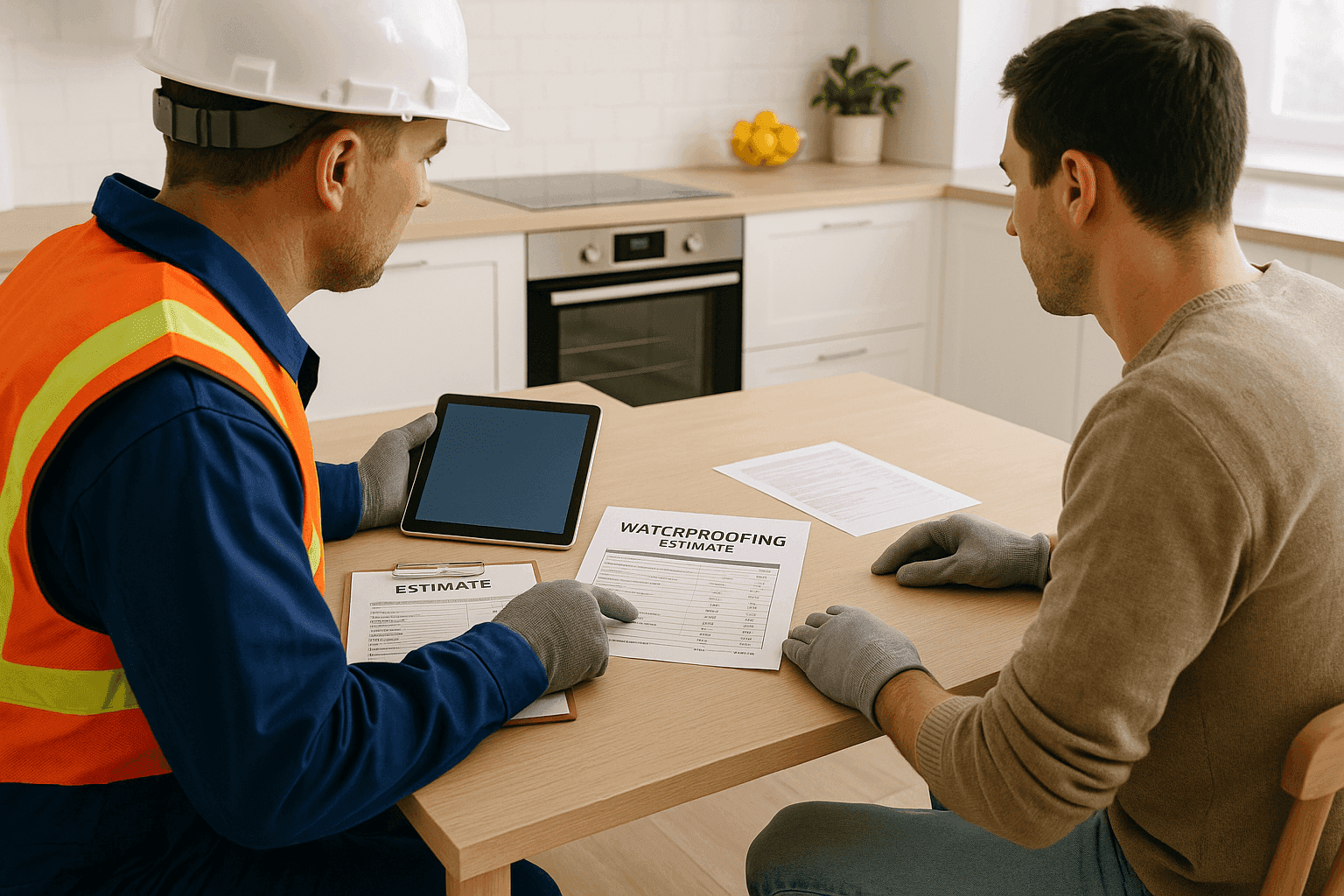
Is your home ready to stand up to the next big storm? Or is a leaky basement keeping you up at night? At Blue Star, we know waterproofing can feel overwhelming—especially when it comes to the cost. But you’re not alone. Every homeowner wonders: “What will waterproofing really cost me, and why?”
Whether you’re dealing with a minor leak or planning a full foundation upgrade, understanding what goes into waterproofing costs can help you make smart, confident choices. Read on for a clear, honest look at what homeowners should budget for in 2024—and how to avoid surprises along the way.
What Affects Waterproofing Costs? 💧
Waterproofing projects are as unique as the homes they protect. Costs can swing widely, depending on a handful of key factors:
- Project Size: A small crack repair costs less than a full basement system. The larger the area, the higher the price tag.
- Materials Used: From basic sealants to high-tech drainage membranes, material choices impact both performance and price.
- Accessibility: Easy-to-reach spaces cost less to fix. Tight crawl spaces or finished basements may drive up labor time and cost.
- Type of Service: Emergency waterproofing, like stopping an active flood, can cost more due to urgent labor and after-hours needs.
- Extent of Damage: Surface leaks are quicker to address. But if water has been sneaking in for years, hidden repairs may add up.
- Location in Home: Basement waterproofing often involves more steps than exterior wall sealing or gutter repair.
Think of your home’s waterproofing like a car: a quick oil change is simple, but a full engine rebuild requires more time, skill, and materials.
Common Price Ranges by Service
It helps to know what ballpark you’re playing in. While every home is different, here are some typical ranges for residential waterproofing services in 2024:
Basement Waterproofing
- Interior systems: Installing drainage channels, sump pumps, and vapor barriers can range from $2,000 to $10,000+, depending on size and complexity.
- Exterior excavation and waterproofing: Usually $5,000 to $20,000+, as it involves digging, membrane application, and drainage installation.
Crawl Space Waterproofing
- Moisture barrier installation: Typically $1,500 to $5,000, depending on area size and whether encapsulation is needed.
- French drain installation: Often $3,000 to $7,000 for labor and materials.
Gutter & Drainage Solutions
- Gutter repair or installation: $500 to $2,500, based on length and home height.
- Grading improvements: Adjusting soil slope may cost $1,000 to $3,000, depending on yard size.
Foundation & Crack Repair
- Crack sealing: Many repairs fall between $500 and $3,000, depending on accessibility and length.
- Comprehensive foundation sealing: Can range from $2,500 to $12,000+ for major projects.
Remember: These are not quotes, just real-world ranges. Each home tells its own story. For precise numbers, professional Waterproofing Consultations near you are essential.
Hidden Costs to Watch For 🕵️
Waterproofing isn’t always as simple as it sounds. Some costs can sneak up on you if you’re not prepared:
- Old Repairs Failing: Sometimes, quick-fix solutions from years past have to be ripped out before new work begins.
- Permits: Local building codes may require permits for excavation or major drainage work. These can add to the total.
- Unseen Water Damage: Mold, rotted joists, or hidden structural issues may need attention once the area is opened up.
- Upgrading Outdated Systems: Old sump pumps, failing gutters, or undersized drainage may require replacement.
- Disposal Fees: Removing old materials or wet insulation isn’t always included in base costs.
- Utility Relocation: Occasionally, moving pipes or wires is part of the process.
Always ask your contractor for a detailed breakdown of what’s included—and what’s not.
How to Get Accurate Estimates
Getting an accurate estimate isn’t just about price; it’s about understanding what your home truly needs.
- Schedule a full inspection: A walk-through lets pros spot issues you might not see—like hidden leaks or grading problems.
- Ask the right questions:
- What’s included in this estimate?
- Are permits, disposal, or cleanup extra?
- How will you handle unexpected repairs?
- What waterproofing materials are you recommending, and why?
- Get it in writing: A clear, written estimate prevents confusion later on.
- Compare scope, not just price: The cheapest quote often skips critical steps. Make sure you’re comparing apples to apples.
A thorough inspection and honest conversation turn a mystery bill into a clear plan.
Ways to Save Without Cutting Quality 💡
Waterproofing doesn’t have to drain your wallet. Savvy homeowners save money by making smart choices:
- Fix small problems early: A minor leak costs less to repair now than after it becomes a bigger issue.
- Bundle services: Sometimes, pairing gutter work with a foundation check saves on labor fees.
- Maintain your system: Regular gutter cleaning and sump pump testing can prevent major repairs.
- Choose the right materials: Your contractor can recommend materials that meet your needs and budget—don’t pay for features you won’t use.
- Ask about phased projects: For big jobs, breaking work into phases may help with budgeting.
But remember, skipping steps or hiring unqualified labor often leads to bigger bills down the road.
Frequently Asked Questions
How often should I have my waterproofing system checked?
Most experts recommend annual inspections—especially after heavy weather. Regular checks catch problems before they grow.
Will waterproofing increase my home’s value?
Often, yes. A dry basement and solid foundation are major selling points for future buyers.
Do I need permits for waterproofing work?
Some projects—like exterior excavation or major drainage changes—may require permits. Check your local codes or ask your contractor.
How can I spot waterproofing problems early?
Look for water stains, musty smells, mold, or peeling paint. Don’t ignore puddles or damp walls—these are early warning signs.
Local and Seasonal Considerations 🌦️
Waterproofing needs can change with the seasons. In wet climates, spring and fall are busy times for leak repairs and grading work. In colder regions, freezing and thawing can create cracks that need quick attention.
Local codes and weather patterns may also affect which materials and systems are required. The International Residential Code (IRC) and your municipal building department can offer guidance on standards for waterproofing safety and performance.
Budgeting for Peace of Mind
Planning for waterproofing is like buying insurance for your home’s future. It’s not always fun—or cheap—but it keeps your investment safe, dry, and healthy for years to come.
For answers tailored to your home and budget, schedule Waterproofing Consultations near you with a qualified contractor. The right plan today can save you headaches, stress, and money tomorrow.
Call Blue Star now — or reach us anytime at 888-853-4813 .